
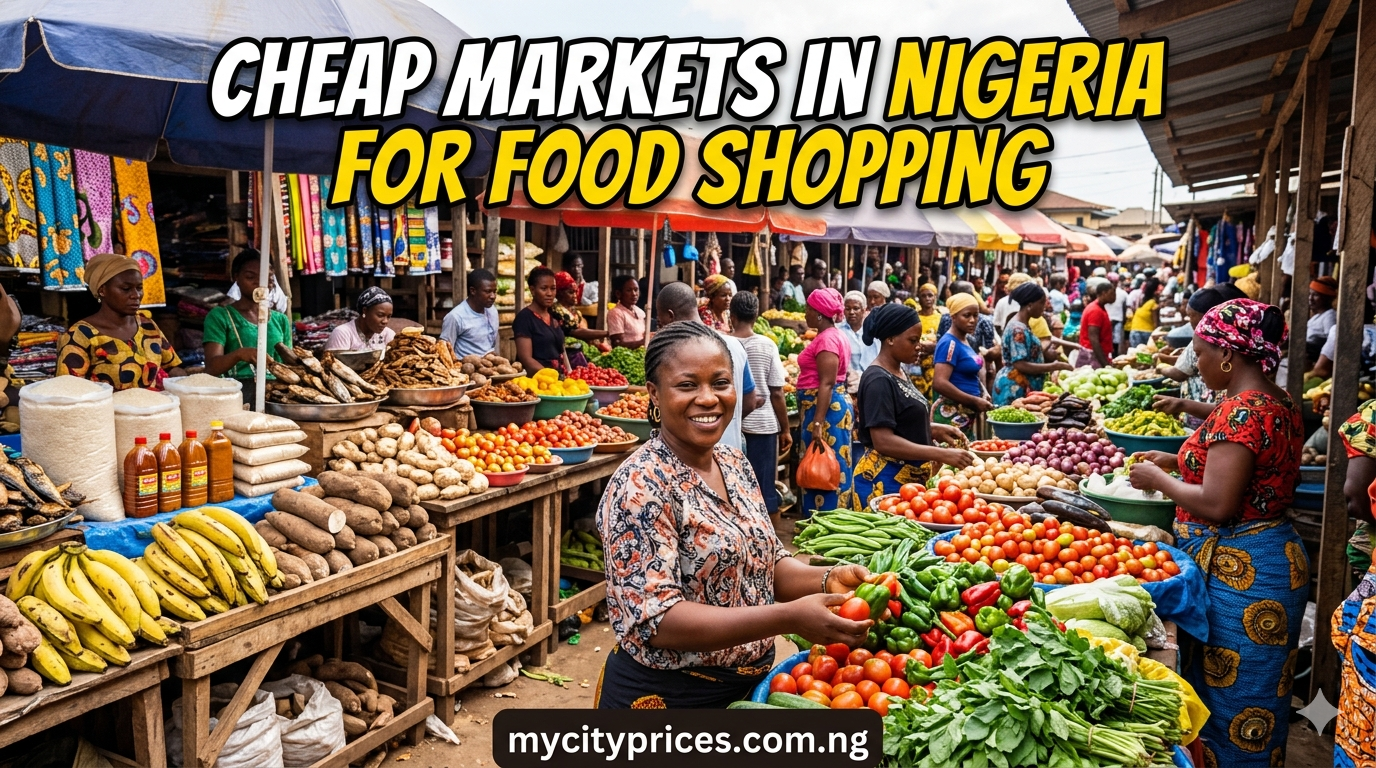
Cheap Markets in Nigeria for Food Shopping (2026 Budget Guide)
If you’ve ever wondered why some people spend far less on food in Nigeria while others struggle with rising prices, the answer is simple: they know where to buy.
After speaking with regular buyers, traders, and small foodstuff resellers across different states, one thing is clear—location matters just as much as timing. The same bag of rice or basket of tomatoes can cost significantly less depending on the market you choose.
This guide breaks down the cheapest markets in Nigeria for food shopping, based on real buying experiences, price comparisons, and current market behavior.
Why Some Markets Are Cheaper Than Others
From what traders and buyers consistently say, cheaper markets usually have:
- Direct supply from farms
- High competition among sellers
- Lower transportation costs (or bulk delivery access)
- Wholesale trading activity
Markets that serve as distribution hubs are almost always cheaper than regular neighborhood markets.
Cheapest Markets in Nigeria for Food Shopping
1. Mile 12 Market (Lagos) – Best for Vegetables & Fruits
If you ask anyone in Lagos where to get cheap tomatoes, pepper, or onions, the answer is almost always Mile 12.
What Buyers Say:
Many buyers report that:
- Prices here are 20%–40% cheaper than local markets
- Early morning buyers get the best deals
- Buying in baskets instead of small portions saves more
Best Items to Buy:
- Tomatoes
- Pepper
- Onions
- Fruits
Downside:
- Prices can change quickly during rainy season
- Requires buying in bulk for maximum savings
2. Dawanau Market (Kano) – Cheapest for Grains
This is the largest grain market in West Africa, and many traders from southern Nigeria source goods from here.
Real Market Insight:
A foodstuff seller in Benin mentioned:
“If you can connect someone in Kano, you’ll save a lot buying beans and rice from Dawanau.”
Best Items:
- Rice
- Beans
- Maize
- Millet
Why It’s Cheap:
- Close to farms
- Bulk trading hub
- Lower middleman costs
3. Bodija Market (Ibadan) – Balanced Prices for Bulk Buyers
Bodija is one of the most popular markets in southwestern Nigeria for affordable foodstuff.
What Makes It Stand Out:
- Moderate prices
- Easy access for bulk buyers
- Less chaotic than Lagos markets
Best Items:
- Yam
- Beans
- Garri
- Palm oil
VIEW ALSO: How to survive on ₦100k in Lagos
4. Oyingbo Market (Lagos) – Cheap for Bulk Foodstuff
Oyingbo is known among smart buyers for bulk purchases.
Real Buyer Experience:
Many buyers say:
- It’s cheaper than Mile 12 for dry goods
- Prices are negotiable if you buy more
Best Items:
- Garri
- Rice
- Beans
- Dry foodstuff
5. Wuse Market (Abuja) – Affordable (But Not the Cheapest)
Abuja is generally expensive, but Wuse Market offers relatively better prices.
Insight:
- Still cheaper than supermarkets
- Prices vary depending on negotiation
Best Items:
- Vegetables
- Packaged food items
6. Relief Market (Onitsha) – Cheapest in Eastern Nigeria
This is one of the biggest markets in the East and a major supply hub.
What Traders Say:
- Prices are cheaper because goods come in large quantities
- Many retailers buy from here to resell
Best Items:
- Rice
- Beans
- Garri
- Palm oil
7. Kurmi Market (Kano) – Traditional & Affordable
Another northern market known for low prices.
Why It’s Cheap:
- Local sourcing
- Lower cost of living in the region
Comparison Table: Cheapest Markets in Nigeria
| Market Name | Location | Cheapest For | Price Advantage |
|---|---|---|---|
| Mile 12 | Lagos | Vegetables & fruits | Very High |
| Dawanau | Kano | Grains | Extremely High |
| Bodija | Ibadan | General foodstuff | High |
| Oyingbo | Lagos | Bulk dry goods | High |
| Relief Market | Onitsha | Bulk food items | High |
| Wuse Market | Abuja | Mixed items | Moderate |
| Kurmi Market | Kano | Local foodstuff | High |
Price Comparison: Local vs Bulk Markets
Based on real buyer feedback:
| Food Item | Local Market Price | Bulk Market Price | Savings |
|---|---|---|---|
| Rice (50kg) | ₦85,000 | ₦65,000–₦70,000 | ₦15k–₦20k |
| Beans (50kg) | ₦75,000 | ₦55,000–₦60,000 | ₦15k+ |
| Tomatoes (Basket) | ₦25,000 | ₦15,000–₦18,000 | ₦7k–₦10k |
Market Analysis: How Food Prices Work Across Nigeria
1. Northern vs Southern Price Gap
From multiple trader interactions:
- Food is cheaper in the North
- Transportation increases prices in the South
This is why markets like Dawanau and Kurmi are cheaper.
2. Role of Middlemen
The more middlemen involved:
- The higher the price
- The lower your savings
Bulk markets reduce middlemen influence.
3. Transportation & Fuel Costs
This is one of the biggest reasons prices differ.
When fuel prices rise:
- Food prices increase nationwide
- Urban markets become more expensive
4. Seasonal Influence
Markets are cheapest:
- During harvest
- Early post-harvest
And most expensive:
- During scarcity
- Festive periods
Smart Strategy for Buying from Cheap Markets
✔️ Go Early
Most traders agree:
- Prices are cheaper in the morning
- Best products are available early
✔️ Buy in Bulk
Small purchases reduce your savings.
✔️ Negotiate
Prices are rarely fixed in local markets.
✔️ Build Relationships
Regular buyers often get:
- Discounts
- Better quality goods
Related Content:
Pro Tips Most Nigerians Don’t Know
- Buying directly from truck arrivals is cheaper
- Group buying reduces cost
- Avoid peak hours (prices may increase slightly)
- Monitor price trends weekly
Final Thoughts
Cheap food shopping in Nigeria is not about luck—it’s about strategy.
Key Takeaways:
- Buy from bulk markets, not neighborhood shops
- Northern markets are usually cheaper
- Timing and negotiation matter
- Bulk buying gives the biggest savings
If you apply these strategies, you can reduce your food expenses by 20%–40% consistently.
FAQs
1. Which market is the cheapest in Nigeria?
Dawanau Market in Kano is considered the cheapest for grains.
2. Where can I buy cheap tomatoes in Lagos?
Mile 12 Market is the best option.
3. Are markets cheaper than supermarkets in Nigeria?
Yes, markets are significantly cheaper, especially for bulk purchases.
4. Is it cheaper to buy food in the North?
Yes, due to proximity to farms and lower transport costs.
5. What time is best to buy in markets?
Early morning is the best time.
6. Can I negotiate prices in Nigerian markets?
Yes, negotiation is common and expected.
7. Why are Lagos food prices higher?
Due to transportation and high demand.
8. Is bulk buying always cheaper?
Yes, especially in major markets.
9. How can I save money on food in Nigeria?
Buy in bulk, shop in cheap markets, and avoid festive periods.
10. Do prices differ within the same market?
Yes, depending on the seller and your negotiation skills.

Leave a Reply