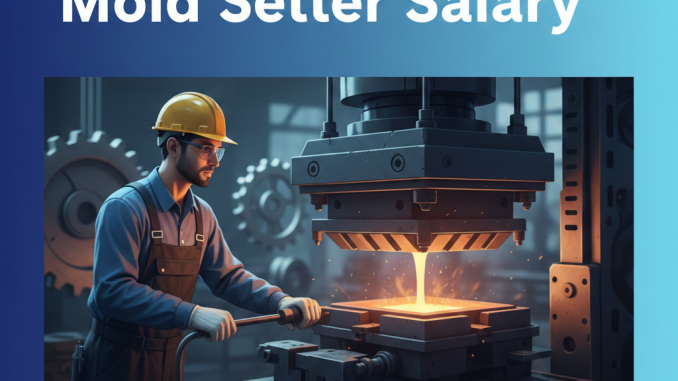
How Much Is a Mold Setter Salary in the United States?
A mold setter is a skilled manufacturing professional responsible for installing, adjusting, maintaining, and removing molds used in industrial machines, especially in plastic injection molding and metal casting. Because the role requires technical expertise, precision, and experience, mold setters in the United States earn competitive salaries.
This article explains how much mold setters earn in the U.S., salary by experience level, factors affecting pay, and career growth opportunities.
Who Is a Mold Setter?
A mold setter works in manufacturing plants to ensure molds are properly installed and aligned on production machines. Their responsibilities typically include:
- Setting up and removing molds
- Adjusting machine parameters for quality output
- Inspecting molds for wear or damage
- Troubleshooting production issues
- Ensuring safety and efficiency during production
Mold setters are commonly employed in plastic injection molding companies, automotive factories, packaging plants, and industrial manufacturing facilities.
VIEW ALSO : Average Salary in Nigeria: In Pounds, Euros and USD
Average Mold Setter Salary in the United States
In the U.S., mold setter salaries vary based on experience, industry, and state.
Average Salary Overview
- Hourly wage: $20 – $35 per hour
- Monthly salary: $3,400 – $6,000
- Annual salary: $42,000 – $75,000 per year
Highly experienced mold setters or those working in specialized industries may earn even more.
Mold Setter Salary by Experience Level
Entry-Level Mold Setter
Mold setters with less than 2 years of experience usually start at the lower end of the pay scale.
- $18 – $22 per hour
- $38,000 – $45,000 per year
Mid-Level Mold Setter
With 3–5 years of experience, mold setters can independently handle setups, adjustments, and troubleshooting.
- $24 – $30 per hour
- $50,000 – $65,000 per year
Senior or Expert Mold Setter
Senior mold setters often handle complex molds, supervise teams, or work with advanced machinery.
- $32 – $40 per hour
- $68,000 – $85,000+ per year
Mold Setter Salary by State in the United States
Mold setter salaries in the U.S. vary widely depending on the state, cost of living, and level of manufacturing activity. States with strong automotive, plastics, and industrial manufacturing sectors tend to pay higher wages.
California
- Average annual salary: $60,000 – $85,000
California pays higher wages due to advanced manufacturing, medical device production, and high living costs.
Michigan
- Average annual salary: $55,000 – $80,000
Michigan’s strong automotive and plastics industry makes it one of the top-paying states for mold setters.
Ohio
- Average annual salary: $50,000 – $72,000
Ohio has many injection molding and industrial plants, offering stable pay and job availability.
Illinois
- Average annual salary: $52,000 – $75,000
Manufacturing hubs around Chicago and surrounding areas push salaries higher.
Texas
- Average annual salary: $48,000 – $70,000
Texas offers good opportunities with a lower cost of living compared to coastal states.
Indiana
- Average annual salary: $47,000 – $68,000
Indiana has a strong industrial base, especially in plastics and automotive manufacturing.
Pennsylvania
- Average annual salary: $49,000 – $71,000
Mold setters are in demand in metal, plastic, and packaging industries.
Wisconsin
- Average annual salary: $50,000 – $74,000
Known for precision manufacturing and tooling, which increases pay rates.
North Carolina
- Average annual salary: $45,000 – $65,000
Growing manufacturing sector with moderate wages and lower living costs.
Georgia
- Average annual salary: $46,000 – $66,000
Industrial growth and logistics hubs support steady mold setter employment.
Summary: Highest-Paying States for Mold Setters
- Top-paying states: California, Michigan, Illinois, Wisconsin
- Best balance of pay and cost of living: Texas, Ohio, Indiana
- Growing opportunities: Georgia, North Carolina, Pennsylvania
Mold setters willing to relocate to high-demand states or industrial hubs can significantly increase their earnings.
Factors That Affect Mold Setter Salary in the U.S.
Several factors influence earnings:
- Years of experience
- Type of industry (automotive, medical, plastics, aerospace)
- Level of technical skill
- Certifications and training
- Shift work (night or overtime pay)
- Company size and production volume
Benefits Mold Setters Receive in the U.S.
In addition to salary, many employers offer benefits such as:
- Health insurance
- Paid overtime and shift bonuses
- Retirement plans (401k)
- Paid vacation and sick leave
- Training and certification support
Is Mold Setting a Good Career in the United States?
Yes. Mold setting is a stable and well-paying skilled trade in the U.S. Manufacturing sector. With experience and advanced training, mold setters can move into process technician, tooling supervisor, or manufacturing engineer roles, which come with higher pay.
Frequently Asked Questions (FAQs)
1. Is mold setting a high-paying job in the U.S.?
It is considered a well-paid skilled trade, especially for experienced workers.
2. Do mold setters need a college degree?
No. Most mold setters learn through technical training, apprenticeships, or on-the-job experience.
3. Do mold setters get paid hourly or salary?
Most mold setters in the U.S. are paid hourly, with overtime opportunities.
4. Which industries pay mold setters the most?
Automotive, medical device manufacturing, aerospace, and advanced plastics industries.
5. Can a mold setter earn over $80,000 per year?
Yes, senior mold setters with advanced skills or supervisory roles can earn $80,000 or more annually.
Leave a Reply