 Lagos State, Nigeria: A Comprehensive Overview
Lagos State is the economic, commercial, and entertainment capital of Nigeria. Located in the South-West geopolitical zone, Lagos is the smallest state in Nigeria by landmass, yet it is the most populous and one of the most influential states in Africa. The state was created on 27 May 1967 and its capital is Ikeja, while Lagos Island remains the historic and commercial nerve centre.
Lagos State is often described as Nigeria’s gateway to the world due to its seaports, airports, industries, and diverse population.
Geography and Location
Lagos State is bordered by:
- Ogun State to the north and east
- The Atlantic Ocean to the south
- The Republic of Benin to the west
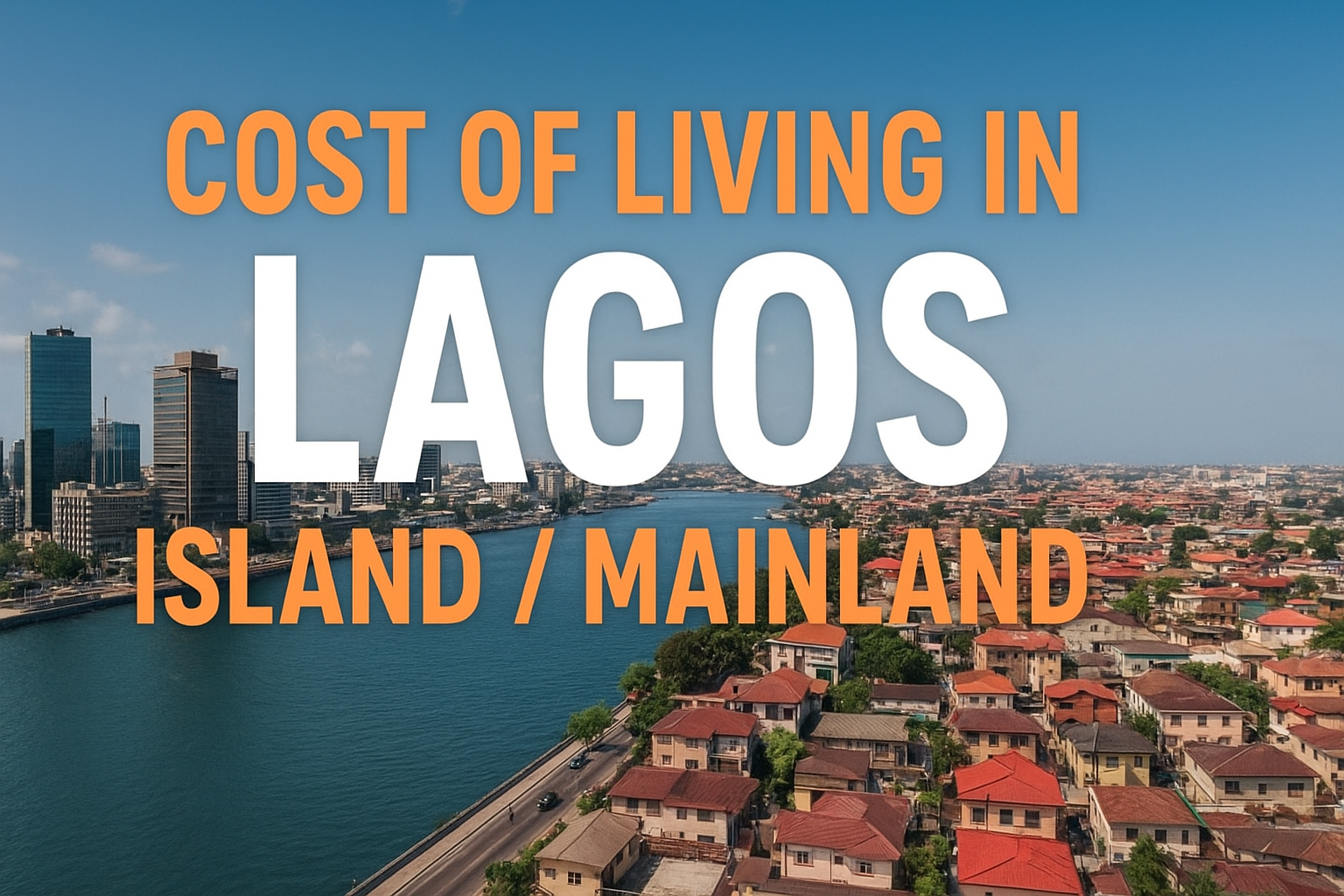
The state has a unique geography made up of islands, lagoons, creeks, and mainland areas. Major water bodies include the Lagos Lagoon and several coastal waterways, making water transportation an important feature of the state.
Climate
Lagos has a tropical wet and dry climate.
- Rainy season: April to October
- Dry season: November to March
The weather is generally hot and humid, with average temperatures ranging between 25°C and 34°C throughout the year.
Population and Diversity
Lagos State has an estimated population of over 20 million people, making it one of the fastest-growing megacities in the world. Although the indigenous people are mainly Yoruba, Lagos is home to Nigerians from all ethnic groups as well as foreign nationals from across Africa and beyond.
English is the official language, while Yoruba, Pidgin English, Igbo, and Hausa are widely spoken.
Economy of Lagos State
Lagos State is the economic backbone of Nigeria, contributing a significant percentage to the country’s GDP. Key economic activities include:
- Trade and commerce
- Banking and finance
- Manufacturing
- Technology and startups
- Entertainment (music, film, fashion)
- Real estate
- Transportation and logistics
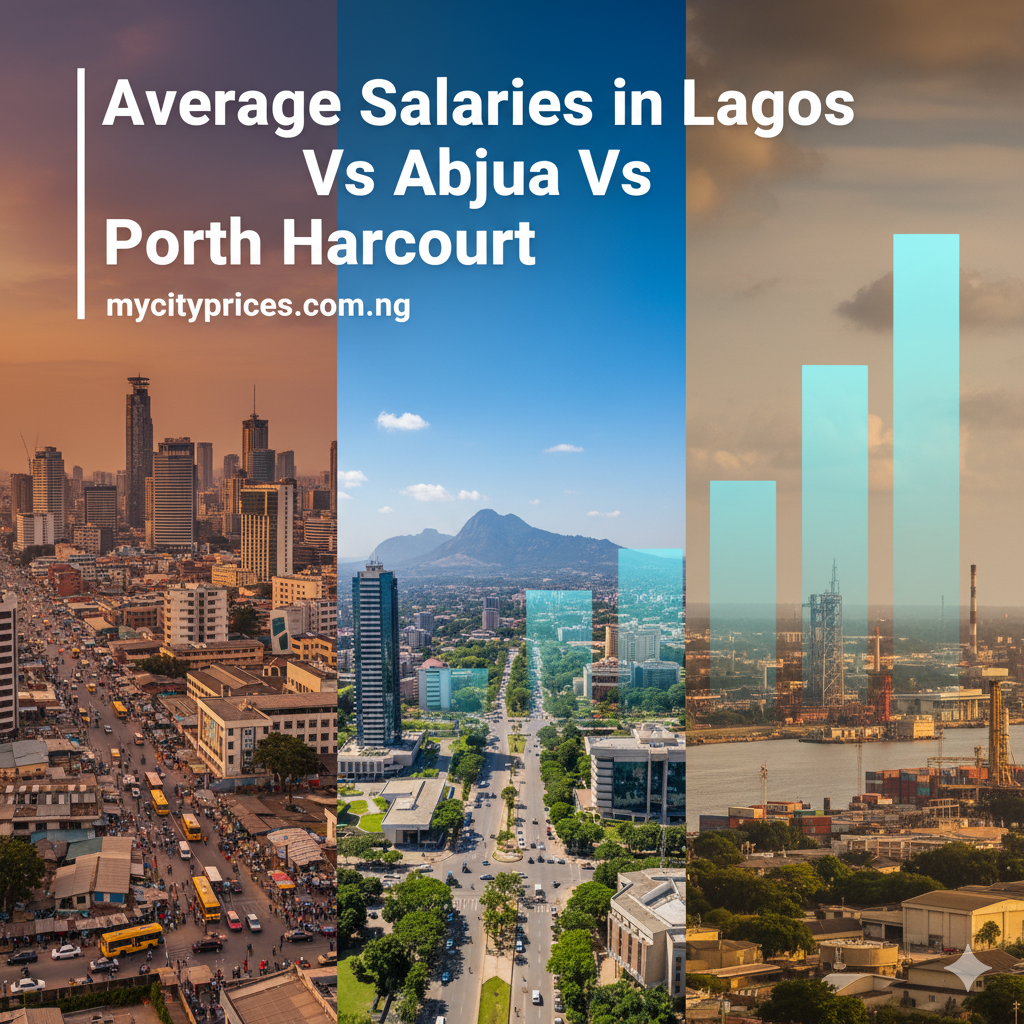
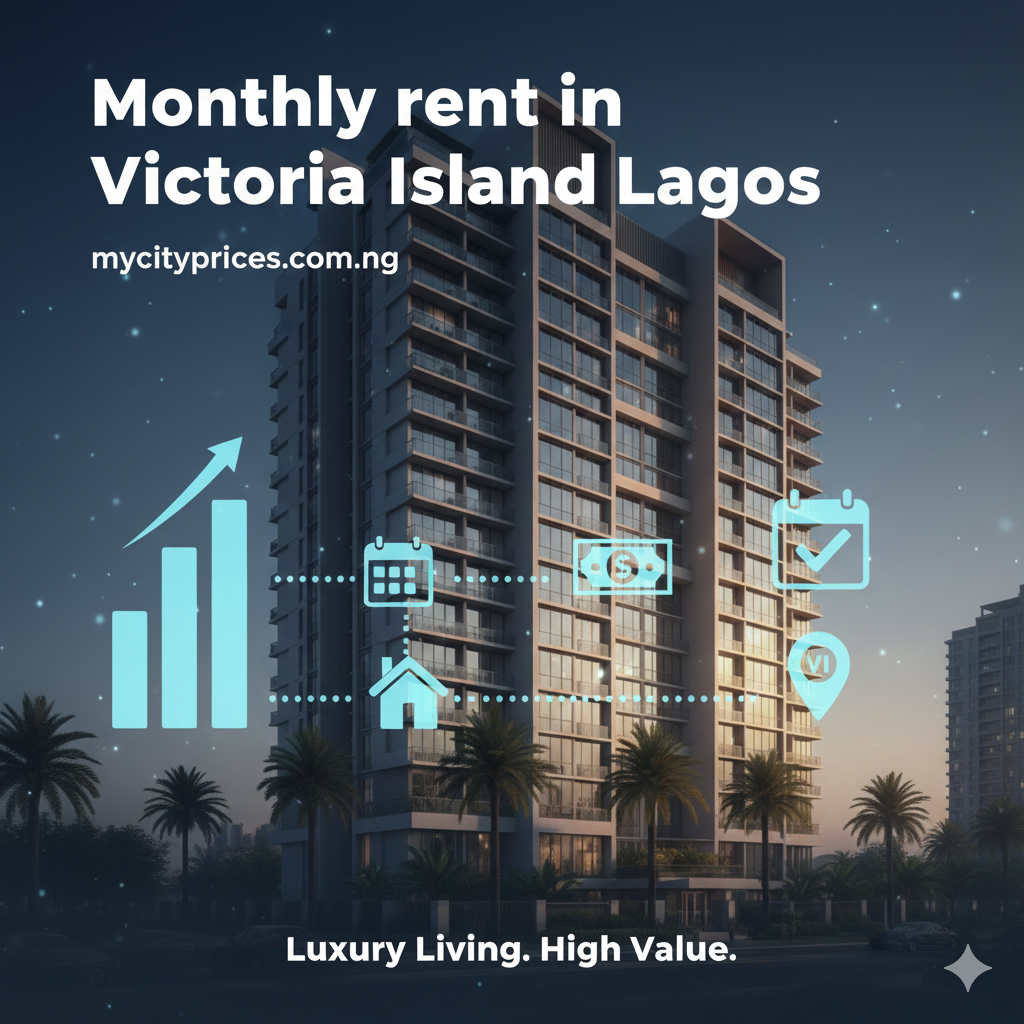
Major business districts include Victoria Island, Ikoyi, Ikeja, Lekki, and Apapa. The state hosts Nigeria’s busiest seaports and international airport.
Culture and Lifestyle
Lagos is known for its fast-paced lifestyle, creativity, and cultural diversity. It is the heart of Afrobeats music, Nollywood production, fashion, nightlife, and media. Popular cultural events include street carnivals, music concerts, fashion shows, and art exhibitions.
Local foods such as jollof rice, amala, efo riro, suya, and street snacks are widely enjoyed.
Education and Infrastructure
Lagos State has some of Nigeria’s best educational institutions, including universities, polytechnics, colleges of education, and private schools. The state also has extensive infrastructure such as highways, bridges, rail lines, seaports, and housing developments.
Administration and Governance
Lagos State operates under Nigeria’s federal system with:
- An elected Governor
- A Deputy Governor
- A State House of Assembly
Administratively, Lagos State is divided into 20 Local Government Areas (LGAs).
List of Local Government Areas in Lagos State
Below are all 20 LGAs in Lagos State with their headquarters and brief descriptions:
- Agege – Headquarters: Agege
A densely populated area known for markets, small businesses, and residential communities. - Ajeromi-Ifelodun – Headquarters: Ajegunle
A vibrant and crowded area famous for music, sports talent, and trade. - Alimosho – Headquarters: Akowonjo
The largest LGA by population, mostly residential with growing commercial activity. - Amuwo-Odofin – Headquarters: Festac Town
Home to FESTAC, industrial zones, and residential estates. - Apapa – Headquarters: Apapa
Hosts Nigeria’s busiest seaports and major logistics companies. - Badagry – Headquarters: Badagry
A historic coastal town known for tourism, beaches, and slave trade history. - Epe – Headquarters: Epe
Known for fishing, farming, and growing residential developments. - Eti-Osa – Headquarters: Victoria Island
A major business and luxury residential hub including Lekki, Ikoyi, and Victoria Island. - Ibeju-Lekki – Headquarters: Ibeju
A fast-developing area with major investments like refineries and free trade zones. - Ifako-Ijaiye – Headquarters: Ifako
A residential and commercial area close to Ikeja. - Ikeja – Headquarters: Ikeja
The state capital, hosting government offices, industries, and the international airport. - Ikorodu – Headquarters: Ikorodu
A large suburban area with strong industrial and residential growth. - Kosofe – Headquarters: Kosofe
A busy urban area with markets and transport hubs. - Lagos Island – Headquarters: Lagos Island
The historical and commercial centre of Lagos with banks and markets. - Lagos Mainland – Headquarters: Yaba
Known for education, technology hubs, and student communities. - Mushin – Headquarters: Mushin
A highly populated commercial and residential area. - Ojo – Headquarters: Ojo
Hosts higher institutions, military formations, and border trade routes. - Oshodi-Isolo – Headquarters: Oshodi
A major transport and commercial hub. - Shomolu – Headquarters: Shomolu
Popular for printing businesses and residential settlements. - Surulere – Headquarters: Surulere
A well-planned area known for sports facilities, entertainment, and middle-class housing.
Conclusion
Lagos State remains Nigeria’s most dynamic and influential state, driving innovation, commerce, and cultural expression. Despite challenges such as traffic congestion and population pressure, Lagos continues to attract millions of people seeking opportunities. With its strategic location, diverse population, and strong economy, Lagos State plays a critical role in Nigeria’s present and future development.