
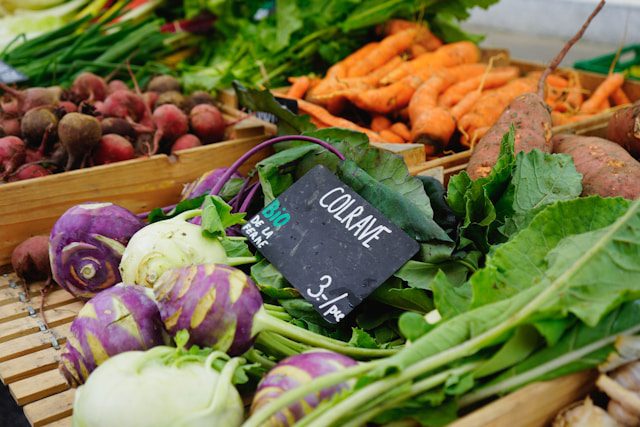
Port Harcourt’s bustling markets offer fresh vegetables at competitive prices, especially in early March 2026 amid stabilizing food costs post-harvest. Households can save significantly by targeting wholesale hubs over retail spots, with recent surveys showing drops in staples like ugwu, spinach, and cabbage. This guide highlights top affordable locations, current price ranges, and smart shopping strategies for maximum value.
Top Cheapest Markets for Vegetables
Several markets stand out for budget-friendly vegetables in Port Harcourt. Fruit and Vegetable Garden Market in D-Line, Woji, tops the list as locals call it the “cheapest vegetable/fruit market,” offering both local and imported produce at haggle-friendly rates. Mile 1 and Mile 3 Markets provide wholesale volumes, ideal for families, while Rumuokoro and Crick Road suit daily shoppers with fresher picks.
Slaughter Market edges out for leafy greens due to proximity to farms, keeping transport costs low. These spots beat supermarkets by 20-40%, especially mid-week when new supplies arrive.
Current Vegetable Price Breakdown
Prices reflect early March trends, with declines from January peaks due to northern harvests reaching Rivers State. Estimates are per bunch or kg unless noted, based on market surveys—expect 5-10% variance by quality and bargaining.
-
Ugwu (pumpkin leaves): ₦200-₦400 per big bunch. Cheapest at Garden Market (₦250 avg.).
-
Spinach (ugu alternative): ₦150-₦300 per wrap. Mile 1 offers ₦200 bundles.
-
Waterleaf: ₦100-₦250 per bunch. Rumuokoro at ₦150.
-
Okra: ₦300-₦500 per painter. Crick Road wholesale ₦350.
-
Cabbage: ₦1,500-₦2,000 per head (single). Garden Market leads at ₦1,800.
-
Carrot: ₦400-₦600 per kg. Mile 3 at ₦450.
-
Onions: ₦300-₦500 per kg. Down to ₦350 in Slaughter.
-
Pepper (mixed): ₦400-₦700 per kg. Rumuokoro bargains to ₦500.
-
Tomatoes: ₦250-₦450 per kg. Mile 1 dustbins ₦3,000-₦4,000 (20kg).
Bulk deals shine: Full crates of tomatoes/peppers under ₦15,000 at wholesale ends.
Market-by-Market Price Comparison
Compare standard bunches/kgs across key spots for easy planning:
Garden Market wins overall affordability; Mile 1 for bulk. Prices per recent Port Harcourt surveys.
Why These Markets Are the Cheapest
Direct farm links keep costs down—Garden Market sources 80% locally, minimizing middlemen. Recent food price crashes (e.g., garri from ₦90k to ₦60k per bag citywide) extend to veggies via better logistics and fuel stability. High competition among traders fosters haggling, unlike fixed-price supermarkets.
Post-Ramadan lull sustains low demand, but act fast—April planting gaps could hike prices 15-20%.
Best Times and Bargaining Tips
Shop Tuesdays-Thursdays, 6-10 AM, for fresh truckloads and 10-20% discounts. Avoid weekends; crowds inflate rates. Haggle starting 20% below asking—cite Mile 1 prices elsewhere.
Build vendor relationships for loyalty deals. Carry cash; card fees add up. Buy in groups for crate splits, saving ₦500-₦1,000 per shop.
Storage and Saving Strategies
Extend freshness to cut trips. Leafy greens in damp cloths last 4-5 days refrigerated. Root veggies like carrots in cool spots endure 2 weeks. Blanch and freeze ugwu for months.
Diversify: Sub ugwu with waterleaf when scarce. Grow pots of okra/spinach on balconies for free adds. Track via WhatsApp trader groups for flash sales.
Online and Delivery Alternatives
For convenience, Fruit Garden Store online delivers fresh cabbage at ₦2,000/head within 24 hours, matching market rates plus ₦500 fee. Pricepally app scans deals across PH markets, often undercutting in-person by bundling.
Potential Price Shifts Ahead
Stable through March with steady supply, but rains may disrupt April deliveries. Stock up on non-perishables like onions. Government farm support promises continuity.
Port Harcourt shoppers thrive by prioritizing these hubs. Smart choices keep veggie budgets under ₦5,000 weekly for families.
Leave a Reply