
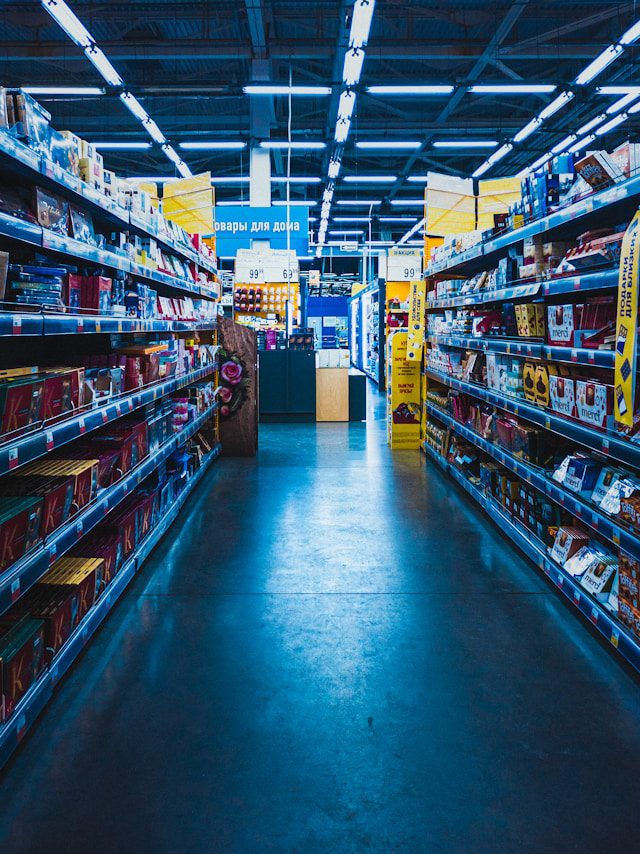
Food prices in Lagos markets have shown some stabilization in early March 2026, following declines noted in January across staple grains like rice, beans, and yam. While inflation pressures linger due to logistics and fuel costs, new harvests and better supply chains offer relief to households budgeting for these essentials. This update draws from major markets like Mile 12, Oyingbo, and Ikire, reflecting retail and wholesale trends as of March 5, 2026.
Rice Prices Across Lagos Markets
Rice remains a dietary cornerstone in Lagos, with local and imported varieties seeing modest adjustments. A 50kg bag of foreign rice (long grain) now sells for ₦57,000 to ₦60,000 at Mile 12 Market, down slightly from January’s ₦60,000 average due to steady imports and reduced smuggling. Local parboiled rice in the same size bag ranges from ₦65,000 to ₦68,000, benefiting from northern harvests reaching southern markets faster.
For retail buyers, a painter (roughly 1.5kg) of imported rice costs ₦8,000 to ₦8,500 in Oyingbo, while local options go for ₦7,000 to ₦7,500. Half bags (25kg) of foreign rice are priced at ₦30,000 to ₦32,000, making smaller purchases more accessible. Traders attribute the easing to government border policies and improved milling in Kebbi State, though quality varies—opt for sealed bags to avoid adulteration.
In Ikire Market, budget-friendly ofada rice holds at ₦20,000 per 25kg bag, popular for its nutty flavor among local eateries. Expect 5-10% fluctuations weekly based on truck arrivals from the north.
Beans Varieties and Pricing Trends
Beans prices have moderated significantly since December 2025 peaks, with white and honey beans leading the relief. A 100kg bag of oloyin (honey beans) wholesales at ₦100,000 to ₦105,000 in Mile 12, translating to ₦5,500 per painter retail. White beans (drum or butter variety) in full bags (100kg) fetch ₦90,000 to ₦95,000, a drop from ₦110,000 earlier this year.
Retail spots like Oyingbo see a painter of white beans at ₦5,000 to ₦5,500, while brown beans hover around ₦4,800 to ₦5,200. These reductions stem from strong yields in Taraba and Benue, with Lagos importers stocking up ahead of Ramadan. For bulk buyers, half bags of mixed beans average ₦50,000, ideal for soup vendors.
Volatile weather has kept premium varieties like bambara nuts higher at ₦6,000 per painter, but staples remain affordable. Pro tip: Buy during mid-week dips when wholesale trucks unload, saving up to 10%.
Yam Tuber Sizes and Market Rates
Yam prices continue their downward trajectory into March, driven by peak dry-season harvests from central belts. A medium-sized tuber (1-1.5kg, white guinea variety) sells for ₦2,500 to ₦3,000 in Mile 12, compared to ₦4,000 in January. Large tubers (2-3kg) go for ₦4,000 to ₦5,000 each, with five to six pieces now available for ₦10,000 in bulk deals.
In Oyingbo and Agege markets, head-sized yams retail at ₦3,500 to ₦4,000, while smaller ones for pounding fetch ₦2,000 apiece. Water yam, preferred for swallows, averages ₦4,500 per large tuber due to shorter shelf life. South-West production in Ogun and Osun states has flooded Lagos, easing festive-season spikes.
Poundo yam flour (0.9kg pack) has dipped to ₦3,750 from ₦4,250, reflecting tuber abundance. Store yams in cool, dry spots to extend freshness up to two weeks.
Factors Influencing March 2026 Prices
Several dynamics shape these prices. Improved harvests from 2025 wet season boosted supply, with rice output up 15% per Ministry of Agriculture reports. Northern markets like Kano saw local rice at ₦63,000 per 50kg, feeding into Lagos via faster logistics despite naira volatility.
Fuel subsidy tweaks raised transport costs by 5-7%, offsetting some gains, but competitive trader margins keep retail stable. Ramadan anticipation may nudge prices up 5% mid-month as demand surges for iftar staples. Inflation cooled to single digits nationally, aiding affordability.
Government interventions, including fertilizer subsidies, promise sustained supply into Q2. Monitor weather—late rains could revive inflationary pressures on late yam varieties.
Market-by-Market Price Comparison
Lagos markets vary by location and volume. Here’s a snapshot for standard units:
Mile 12 dominates wholesale, saving 10-15% for bulk shoppers. Oyingbo suits daily needs with fresher stock, while Ikire excels in local rice and ofada beans.
Budgeting Tips for Lagos Shoppers
Stretch your naira with smart strategies. Bulk-buy rice and beans bi-monthly, storing in airtight bins against weevils. Join market cooperatives for 5-10% discounts on yams.
Compare apps like Jumia Food or local trackers for delivery prices, often matching market rates plus ₦500 fee. Seasonal swaps: Use garri (₦1,500/painter) when yam spikes.
Home preservation—sun-dry excess beans or pound yams into flour—cuts repeat costs. Track weekly via trader WhatsApp groups for flash sales.
Future Outlook and What to Watch
Expect stability through March, with potential 3-5% rises in April pre-planting. Rice may firm if borders tighten, while beans hold steady barring floods. Yam prices could halve by new harvest in June.
Shoppers should diversify staples and plant backyard gardens for resilience. Policymakers eye more mechanization to lock in gains.
Stay updated—prices shift fast in Lagos’ vibrant markets. These figures empower informed buying amid economic shifts.
Leave a Reply