
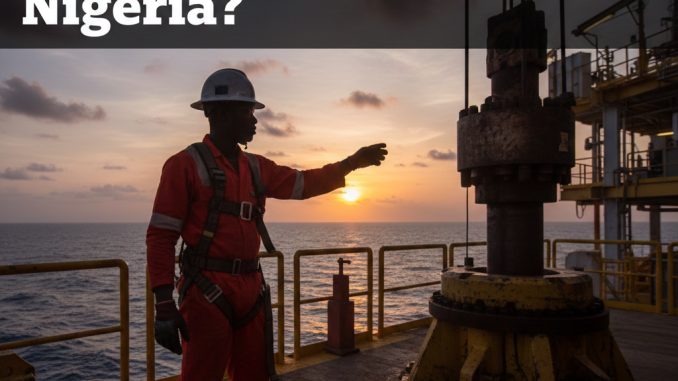
Offshore Rigger Salary in Nigeria?
Offshore rigging is one of the most demanding and well-paid jobs in Nigeria’s oil and gas industry. Offshore riggers play a key role in lifting, moving, and securing heavy equipment on offshore platforms, oil rigs, and vessels. Because of the risk involved and the technical skills required, offshore riggers earn higher salaries compared to many other workers.
In this article, we explain how much offshore riggers earn in Nigeria, the factors that affect their salary, required qualifications, and whether the job is worth it.
Who Is an Offshore Rigger?
An offshore rigger is a trained worker responsible for handling heavy loads using cranes, slings, chains, and lifting equipment on offshore locations. They ensure that all lifting operations are carried out safely and according to industry standards.
Offshore riggers work on oil rigs, drilling platforms, FPSOs, and offshore vessels.
Average Offshore Rigger Salary in Nigeria
Rigger salary in Nigeria varies depending on experience, certification level, company, and work rotation. Most offshore riggers are paid daily or monthly, and some are paid per hitch.
Estimated Salary Range
- Monthly salary: ₦400,000 – ₦1,200,000
- Annual salary: ₦4.8 million – ₦14 million
Highly experienced riggers working for international oil companies or offshore contractors may earn even more.
Entry-Level Offshore Rigger Salary
New offshore riggers usually start as junior or trainee riggers.
Entry-Level Pay
- Monthly salary: ₦250,000 – ₦450,000
At this stage, riggers are still gaining experience and often work under senior riggers or lifting supervisors.
Mid-Level Offshore Rigger Salary
Riggers with several years of offshore experience earn higher wages.
Mid-Level Pay
- Monthly salary: ₦500,000 – ₦800,000
These riggers are trusted with more complex lifting tasks and may lead small teams.
Senior Offshore Rigger Salary
Usually, Senior offshore riggers and lead riggers earn the highest salaries.
Rigger Senior-Level Pay
- Monthly salary: ₦900,000 – ₦1,500,000 or more
They supervise lifting operations and ensure full safety compliance.
VIEW ALSO : How much is NIMASA Salary in Nigeria
Factors That Affect Offshore Rigger Salary in Nigeria
Several factors determine how much an offshore rigger earns.
Level of Experience
More experience leads to better pay.
Certifications
Professional certifications increase salary potential.
Company Type
International oil companies usually pay more than local firms.
Work Rotation
Longer offshore rotations often attract higher pay.
Location
Deep offshore and remote locations usually pay higher wages.
Required Qualifications and Certifications
To work as an offshore rigger in Nigeria, the following are usually required:
- Basic offshore safety training
- Rigger Level 1, 2, or 3 certification
- Medical fitness certificate
- Experience in lifting operations
- Strong understanding of safety procedures
Allowances and Benefits for Offshore Riggers
In addition to salary, offshore riggers often enjoy:
- Offshore allowance
- Hazard allowance
- Free accommodation and feeding offshore
- Transport to and from offshore location
- Medical coverage
These benefits significantly increase total earnings.
Is Offshore Rigging a Good Career in Nigeria?
Yes, offshore rigging is a good career for individuals who are physically fit, safety-conscious, and willing to work in offshore environments. The job pays well and offers opportunities to work with major oil and gas companies, but it also comes with risks and long periods away from home.
Conclusion
Offshore rigger salary in Nigeria is attractive due to the technical skills and risks involved. Entry-level riggers earn decent wages, while experienced and senior riggers can earn over ₦1 million monthly. With the right training and certifications, offshore rigging can be a rewarding career path in Nigeria.
FAQs
1. How much does an offshore rigger earn monthly in Nigeria?
Offshore riggers earn between ₦400,000 and ₦1,200,000 monthly on average.
2. Do offshore riggers get paid daily or monthly?
Some are paid monthly, while others are paid per day or per offshore hitch.
3. Is offshore rigging dangerous?
Yes, it involves risk, which is why strict safety rules and training are required.
4. What certifications are needed to become an offshore rigger?
Rigger Level 1–3 certifications and offshore safety training are required.
5. Is offshore rigging worth it in Nigeria?
Yes, due to high pay, allowances, and strong demand in the oil and gas sector.

I am a good responsible person I have work in so many companies as a rigger I will do my best if my application is consider, thanks